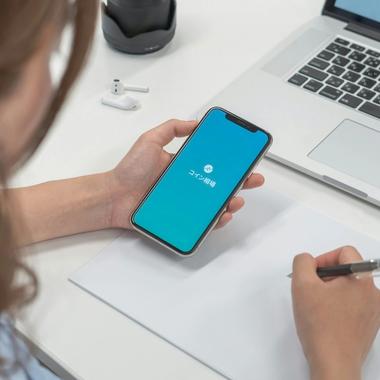
A few years ago, the ways to build an app were fairly fixed. Today, AI coding tools such as Claude Code, Cursor, Replit and Lovable let people with little or no programming experience put together a working prototype in days. Many analysts think that's behind the recent jump in new apps.
Used well, a prototype like this is a brilliant way to test your idea. You can put something real in front of potential users, see how they react and learn what matters to them, all before you commit a serious budget.
Where these tools struggle is everything that happens after the demo. A prototype that works on your own phone is a long way from an app that's ready for thousands of people and their personal data. The gaps we tend to see are:
- Security: sign-in, permissions and database access rules that haven't been set up properly
- Performance: apps that slow down or fall over once real numbers of people start using them
- Maintainability: code that's hard for anyone, including the AI that wrote it, to change safely later
- App store readiness: the review, privacy and compliance checks Apple and Google expect before they'll publish your app
So by all means prototype first. Just treat it as a way to learn rather than the finished product. If you already have a working prototype, our vibe coding to production service can review it and tell you what can be built on and what needs reworking.